N13 estate gardeners specialist for terraced gardens: practical help for narrow, tricky outdoor spaces
Terraced gardens can be lovely, but let's be honest, they can also be a bit awkward. One side may be shaded, the soil can be thin or tired, access is tight, and privacy is often an issue. That is exactly where an N13 estate gardeners specialist for terraced gardens proves useful. Instead of treating a compact London plot like a generic back garden, the right specialist works with the realities of terraced living: limited width, neighbouring boundaries, awkward slopes, overlooked seating areas, and planting spaces that need a careful touch.
This guide explains what that specialist approach actually involves, how it works on real terraced properties, and what to expect if you are planning a tidy-up, a full refresh, or a long-term maintenance plan. You will also find practical examples, a comparison table, a checklist, and a few honest warnings about the mistakes that tend to cost time and money. If you have been staring out at a small garden and thinking, "Where do I even start?", you are in the right place.
Table of Contents
- Why N13 estate gardeners specialist for terraced gardens Matters
- How N13 estate gardeners specialist for terraced gardens Works
- Key Benefits and Practical Advantages
- Who This Is For and When It Makes Sense
- Step-by-Step Guidance
- Expert Tips for Better Results
- Common Mistakes to Avoid
- Tools, Resources and Recommendations
- Law, Compliance, Standards, or Best Practice
- Options, Methods, or Comparison Table
- Case Study or Real-World Example
- Practical Checklist
- Conclusion
- Frequently Asked Questions
Why N13 estate gardeners specialist for terraced gardens Matters
Terraced gardens in N13 often face a familiar mix of constraints. They are usually narrow, enclosed by walls or fencing, and exposed to a lot of neighbour-to-neighbour visual overlap. Some are long and slender. Others are split into awkward levels. A few are shaded by houses, garages, or mature trees for much of the day. None of that is a problem if the work is planned properly. But if it is not, the garden can quickly become a place of constant compromise.
An estate gardener with terraced-garden experience understands how to make small spaces feel calmer, cleaner, and more usable without overfilling them. That matters because terraced gardens are not just about appearance. They often need to do several jobs at once: somewhere to sit, somewhere for children or pets, somewhere for planting, and somewhere that does not feel exposed every time the wind picks up. A good plan balances all of that.
In practice, this kind of specialist approach can also protect the structure and long-term health of the garden. Terraced plots can suffer from compacted soil, drainage issues, encroaching roots, poor light levels, and overenthusiastic planting that becomes a maintenance headache later. A gardener who works these spaces regularly will spot those issues early and fix them with a lighter, smarter touch.
If you want a broader look at routine support, a structured garden maintenance service can be a sensible starting point for keeping a terraced plot under control through the seasons.
How N13 estate gardeners specialist for terraced gardens Works
The work usually starts with a careful assessment, not a rushed quote based on a glance over the fence. A specialist looks at access, shade patterns, boundary conditions, existing planting, hard landscaping, and where the garden is struggling most. That first walk-through matters more than people think. A narrow side return, for example, may need a completely different treatment from the main seating area at the back.
From there, the gardener normally breaks the job into practical phases. Some jobs are one-off tidy-ups. Others are staged over a few visits so the work stays manageable and the garden does not end up stripped bare all at once. That staged approach is often the right call in terraced homes, especially when families are living with the space while work is happening. No one wants a beautiful garden delivered as a muddy inconvenience for three weeks. Been there, regretted it.
Typical tasks can include pruning, soil improvement, planting design, hedge care, lawn recovery, weed removal, patio cleaning, edging, and boundary screening. In a compact garden, each part affects the rest. Cut back the wrong shrub too hard, and you might lose privacy. Ignore a poor drainage patch, and new plants may fail. Add too many features, and the garden starts to feel smaller instead of more usable.
This is where coordinated services can help. For example, if the rear area needs sharper lines, a careful hedge trimming service can restore shape and light without making the boundary feel exposed. For tired lawns, lawn care support may be more appropriate than replacing turf straight away.
Key Benefits and Practical Advantages
The biggest benefit is simple: a terraced garden starts working with you rather than against you. But the practical gains go deeper than that.
- Better use of limited space: Small gardens need strong decisions. A specialist helps define clear zones instead of leaving you with a cluttered patchwork.
- More privacy: Terraced homes often sit close together, so screening and height management matter a lot. The right planting can soften sightlines without making the space feel boxed in.
- Less maintenance drift: When planting and surfaces are planned properly, the garden is easier to keep tidy week after week.
- Healthier planting: Narrow plots can be dry, shaded, or exposed. Matching plants to the conditions avoids that constant cycle of replacing things that never really settled.
- Improved safety and access: Flat, sensible paths and clear edges make the garden easier to use for children, older residents, and anyone carrying trays, tools, or laundry out to the line.
- Better seasonal resilience: In exposed London gardens, wind and winter weather can do a number on planting. A specialist builds in protection rather than hoping for the best.
There is also an emotional benefit that gets overlooked. A terraced garden that feels coherent is simply nicer to live with. You notice it on a wet Tuesday evening when the back door opens and the space still looks calm instead of chaotic. That counts for a lot.
For privacy-led planting ideas, the article on fast-growing privacy hedges is a useful companion read, especially if you need screening fast but still want something tidy and manageable.
Who This Is For and When It Makes Sense
This service is a strong fit if your garden is small, shared visually with neighbours, or difficult to move around in. That includes many period terraces, newer terrace developments, and extended town gardens where the layout has become a little piecemeal over time.
It also makes sense if you are dealing with any of these situations:
- you want more privacy without building a heavy, closed-in feel
- the garden has become patchy, weedy, or overgrown
- you need a low-maintenance plan because time is tight
- the soil is poor or full of old roots and rubble
- there is a patio, path, or seating area that needs refreshing
- you want planting that works in shade, wind, or both
- you are planning to rent, sell, or simply enjoy the property more
Truth be told, terraced gardens are often the first space people neglect and the last space they think about before visitors arrive. Then the scramble begins. A specialist gardener is useful before it gets to that point, not just after.
If you need ideas for a calmer layout, a guide to building a zen-inspired outdoor space can help you think in terms of mood as well as function.
Step-by-Step Guidance
Here is the practical route a good specialist will usually follow. It is not fancy. It just works.
- Assess the space properly. Measure the narrowest and widest points, note shaded areas, check access, and identify what is staying, what is going, and what is causing the trouble.
- Define the main purpose. Decide whether the garden needs to feel more private, more family-friendly, easier to maintain, or better suited to planting and dining.
- Sort the foundations first. Remove weeds, cut back problem growth, clear debris, and deal with neglected corners before adding new features.
- Improve the soil. Terraced plots often need organic matter, drainage support, or simple rebalancing so new planting has a fair chance.
- Map the hard landscaping. Paths, patios, steps, and seating areas should be set out before plants are chosen, not after.
- Choose plants by site conditions. Match light, wind, moisture, and maturity size. Small gardens punish bad plant choices quite quickly.
- Add structure and screening. Use hedges, climbers, trellis, or layered shrubs where privacy is needed.
- Build in maintenance logic. Leave enough access for pruning, sweeping, and seasonal checks.
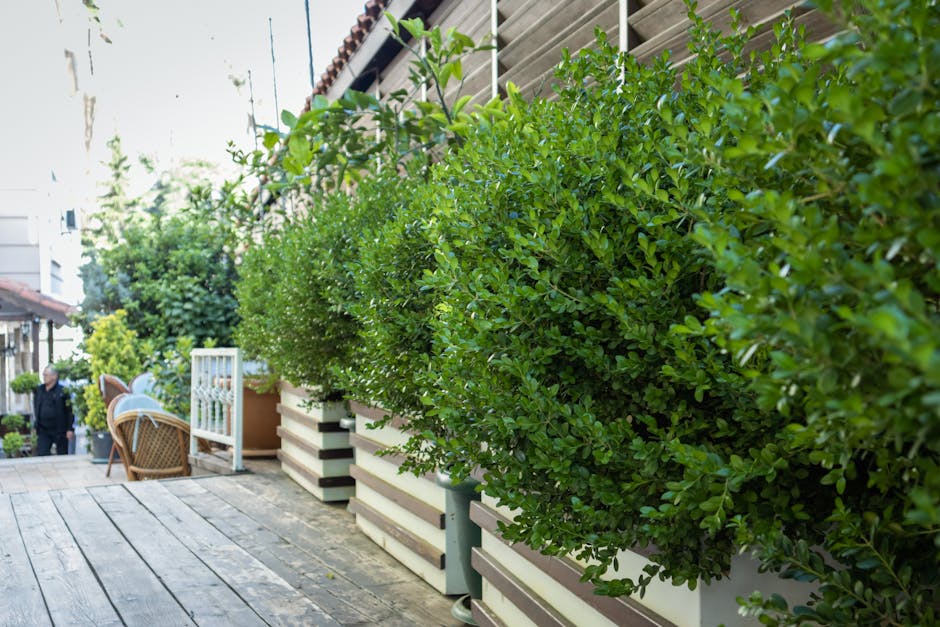
One of the biggest wins in a terraced garden is vertical thinking. When floor space is limited, walls and fences become valuable real estate. A good plan may use climbers, shelves, wall planters, or trellised screening to lift the eye upward. That makes the garden feel broader than it really is. Small illusion, big difference.
If you are exploring that idea, the article on vertical gardening in urban spaces is particularly relevant. For boundary planting, evergreen climbing plants can be a smart way to keep some colour and cover through the colder months.
Expert Tips for Better Results
A few practical details make a huge difference in terraced gardens. They are not glamorous, but they matter.
- Keep the middle open: In narrow gardens, too many features down the centre make the plot feel cramped. Push planting to the edges where possible.
- Use layered planting: Ground cover, mid-height shrubs, and one or two taller accents create depth without clutter.
- Protect the boundaries: If neighbours overlook the space, think carefully about screening and hedge maintenance rather than relying on a single large plant.
- Choose resilient species: Wind, winter wet, and summer dry spells all show up quickly in compact urban plots.
- Plan for the long view: Plants grow. Obvious advice, maybe, but it is the number one thing people forget when a garden is newly cleared and looks spacious.
- Use containers deliberately: Pots are useful in terraced gardens, but too many random containers can look messy. Group them with purpose.
One useful habit is to stand at the kitchen window and look at the garden at different times of day. Morning light, late afternoon shadows, the view from inside while the kettle boils - all of it tells you something. You will notice patterns that a quick outside inspection misses.
For planting that softens hard surfaces, the guide to ground cover plants is worth a look. If you prefer raised displays or moveable arrangements, container gardening can also bring flexibility to compact spaces.
Common Mistakes to Avoid
Terraced gardens are forgiving in some ways and very unforgiving in others. A few common mistakes keep showing up.
- Planting too large, too close, too soon. That promising little shrub may turn into a maintenance problem in 18 months.
- Ignoring drainage. Waterlogged corners are common after rain, especially near walls or compacted paths.
- Choosing privacy at the expense of light. Dense screening is useful, but too much of it can make the garden gloomy.
- Overfilling the space. A terraced plot does not need every idea at once. Less can genuinely be more.
- Forgetting access. If you cannot reach a bed comfortably, you will stop maintaining it. Simple as that.
- Skipping the cleanup stage. People often rush to plant before the old weeds, ivy, or debris are fully dealt with.
There is one mistake that seems small but causes endless frustration: not dealing with invasive growth early. Ivy, self-seeded saplings, and creeping weeds can become stubborn in narrow boundaries. If that is part of the problem, the guide to ivy removal is especially useful. Likewise, persistent weed pressure is easier to manage when you have a clear strategy, as outlined in this weed control article.
Tools, Resources and Recommendations
A terraced-garden specialist will usually lean on a practical toolkit rather than anything overly complex. The aim is neat, accurate work and efficient site handling.
| Need | Useful approach | Why it helps in terraced gardens |
|---|---|---|
| Boundary screening | Hedges, climbers, or trellis-based planting | Creates privacy without using too much floor space |
| Ground coverage | Low-spreading plants and mulch | Reduces bare soil and keeps weeds down |
| Seasonal upkeep | Pruning, edging, and light feeding | Keeps narrow beds neat and manageable |
| Shade problem areas | Plant selection matched to lower light | Prevents repeated plant failure in awkward corners |
| Outdoor living space | Clean patio, seating, and defined routes | Makes the garden feel usable, not just decorative |
Some resources are practical rather than glamorous. A good toolkit might include sharp secateurs, a sturdy hoe for narrow beds, gloves with grip, a watering can that actually reaches tight spots, and materials for mulching or edging. If the garden needs hard-surface work too, services such as patio cleaning or broader landscaping support can complete the picture.
For a full-service view of what can be included in a property-wide refresh, the main gardening services page gives a helpful sense of the wider offer. And if your outside area needs a safer edge or a cleaner boundary, fencing work may also be part of the plan.
Law, Compliance, Standards, or Best Practice
Terraced garden work is usually straightforward, but there are still sensible standards to keep in mind. In the UK, garden work should be carried out with appropriate attention to safety, property boundaries, access, and the condition of nearby structures. That is especially relevant where walls, fences, sheds, steps, or raised beds are close together.
In practical terms, best practice means checking for hazards before work starts, keeping tools safely handled, and avoiding damage to shared boundaries or neighbouring properties. If a tree, hedge, or climbing plant looks like it may affect structures or become unstable, it should be assessed carefully rather than cut or removed on a guess. That sort of rush job tends to create more trouble than it solves.
It is also wise to understand what is included in the work, what happens if access is limited, and how waste is dealt with. Clear communication matters. So does written quoting. For the customer side of that, the site's pricing and quotes information can help set expectations before work begins. For reassurance on how work is handled, the health and safety policy and insurance and safety pages are worth reviewing too.
If you are concerned about service terms, payment handling, or the wider customer process, the relevant supporting pages include terms and conditions and payment and security. That sort of transparency is a good sign. It keeps everyone on the same page, which is usually where the best jobs begin.
Options, Methods, or Comparison Table
There is no single correct way to improve a terraced garden. The right method depends on your budget, your maintenance appetite, and what the space is meant to do.
| Method | Best for | Pros | Trade-offs |
|---|---|---|---|
| Quick tidy-up | Overgrown but fundamentally sound gardens | Fast, affordable, and immediately visible | Does not solve underlying layout or planting issues |
| Maintenance-led approach | People who want steady control without a full redesign | Keeps the garden presentable all year | Slower transformation, less dramatic change |
| Soft redesign | Gardens that need better structure and planting | Improves function and appearance together | Needs planning and a little patience |
| Full transformation | Heavily neglected or poorly laid out gardens | Highest long-term potential | More time, more budget, more disruption |
For many N13 terraced homes, a soft redesign is the sweet spot. It gives the garden enough structure to feel intentional, but without turning it into a long project. A lot of people think they need a full reset when, really, they need a smarter sequence of repairs and planting choices. That is often the calmer, more cost-conscious answer.
If your aim is a lower-maintenance result, you might also find value in cost-effective low-maintenance garden ideas and the practical perspective in beginner-friendly garden foundations.
Case Study or Real-World Example
Picture a typical terraced back garden in N13: narrow, slightly shady, with a patchy lawn, a tired path, and one boundary hedge that has grown unevenly over time. The owner wants privacy from next door, but not a solid wall of green. They also want somewhere to sit with a coffee in the morning, and they are tired of weeds popping up through the edges every few weeks.
A specialist approach would usually begin with a clean-up and a reset of the boundaries. The hedge gets reshaped rather than butchered. The weeds are removed properly, not just trimmed down. The lawn is assessed; if it is salvageable, it is improved rather than ripped out. Then the layout is simplified. The seating area is made clearer. The narrow sides get planting that adds texture and privacy without blocking light.
In a case like this, the difference is not one dramatic intervention. It is a set of small but deliberate improvements. By the end, the garden does not need to be enormous to feel pleasant. It just needs to breathe a bit better. And yes, that sounds almost too simple. But gardens are like that sometimes.
If children or dogs use the space, the redesign needs a little extra care. The articles on safe garden spaces for children and dog-friendly planting offer useful perspective on balancing beauty with everyday life.
Practical Checklist
Use this checklist before starting terraced-garden work or asking for a quote.
- Measure the usable space, including narrow side areas
- Note sun, shade, wind, and wet patches
- List what must stay, what can go, and what looks unhealthy
- Check whether privacy is a main priority
- Decide if the garden should be low-maintenance or more decorative
- Look for drainage problems and compacted soil
- Check whether existing hedges, climbers, or trees need trimming or removal
- Think about how the garden is used day to day
- Consider pets, children, or older residents who need safe access
- Set a realistic budget and timeline
Expert summary: The best terraced gardens are not the ones with the most features. They are the ones where every part earns its place. Privacy, access, planting, and upkeep should all support each other. If one element fights the others, the garden starts to feel hard work.
If your garden is already on the edge of being overwhelmed, the guide to setting the foundation for a garden resurrection is a good next step.
Get a free quote today and see how much you can save.
Conclusion
Terraced gardens in N13 do not need to be big to be brilliant. They just need a plan that respects the shape of the space, the light available, the level of privacy you want, and the amount of maintenance you can realistically keep up with. That is the real value of working with an N13 estate gardeners specialist for terraced gardens: the work is tailored, not forced.
Whether your priority is a tidier boundary, a calmer layout, a healthier lawn, better planting, or a full reset after a few neglected seasons, the right approach can make the garden feel useful again. Not perfect. Useful first. Then lovely. That order matters more than people think.
And once a terraced garden starts working properly, it changes how the whole home feels. You notice it in the morning light, in the way the seating area gets used, in the less noisy backdrop of green against brick. Quietly, it becomes part of daily life again. That is a good thing.
Frequently Asked Questions
What does an N13 estate gardeners specialist for terraced gardens actually do?
They focus on small, narrow, or awkward outdoor spaces and shape them so they work better. That may include pruning, planting design, weed control, privacy screening, patio care, lawn improvement, and general maintenance tailored to a terraced layout.
Why are terraced gardens harder to maintain than other gardens?
They are often narrower, more shaded, and more overlooked, with less room for movement and storage. That means poor planting choices, drainage issues, and clutter show up faster. There is less room for error, basically.
Can a terraced garden still feel private without becoming dark?
Yes. The trick is using layered screening, well-chosen climbers, and selective hedge height rather than building one dense barrier everywhere. Privacy and light can work together if the plan is thoughtful.
Is a full garden redesign always necessary?
No. Many terraced gardens only need a reset, some pruning, better planting choices, and clearer layout lines. A full redesign is only really worth it if the existing layout is badly failing or the structure is beyond simple repair.
What are the best plants for a narrow terrace garden?
That depends on light, wind, and soil, but compact shrubs, climbers, ground cover, and container-friendly plants are often the best fit. The important thing is to choose species that stay manageable and suit the conditions, not just what looks nice in a nursery.
How often should terraced gardens be maintained?
It varies by planting style, but most terraced gardens benefit from regular light maintenance rather than occasional heavy rescue work. Smaller spaces show neglect faster, so little-and-often usually wins.
What if my terraced garden is mostly shade?
Then shade-tolerant planting and careful drainage become priorities. A specialist can help avoid sun-loving plants that repeatedly fail in dim corners. Shade gardens can still look full and attractive, they just need the right palette.
Can hard landscaping be improved as part of garden work?
Yes, if needed. Paths, patios, edging, and access routes often make a huge difference in small gardens. Even a modest improvement in surfacing can make the whole space easier to use and maintain.
How do I know if my hedge or climber needs trimming or removal?
If it is blocking light, taking over boundaries, or becoming difficult to control, it may need pruning or a bigger intervention. Sometimes trimming is enough; sometimes the plant has simply outgrown the space. A proper inspection makes the difference.
What should I ask before booking garden work?
Ask what is included, how access will be handled, whether waste removal is covered, what the timeline looks like, and how the work will affect the garden day to day. Clear answers early save a lot of awkwardness later.
Is terraced garden work safe around children and pets?
It can be, as long as the planting, materials, and layout are chosen carefully. Safe pathways, non-toxic planting where appropriate, and sensible edging all help. If children or dogs use the space, that should be part of the plan from the start.
How do I get started if my garden feels completely overgrown?
Begin with a clean-up and a realistic assessment. Do not try to solve everything in one weekend. A staged approach is usually better, starting with weeds, overgrowth, and any urgent safety or access issues. Then build from there.
If you are ready to talk through the condition of your garden and what it needs next, take a look at the service details and reach out when you are ready. The right plan can make even the tightest terraced plot feel calmer, brighter, and far easier to live with.